

Great Practices Are Built by Great Leaders
Exceptional healthcare practices are built on far more than clinical expertise. They are led by individuals who continually invest in their knowledge, strengthen their leadership, refine their communication, improve their financial understanding, and build systems that consistently support exceptional patient care.
The books on this page have influenced the way we think about marketing, business, leadership, communication, finance, and personal growth. We hope they challenge your thinking, inspire new ideas, and contribute to the continued growth of your practice.
Too Busy to Read?

One of the biggest reasons healthcare professionals stop reading is a lack of time. Between patient care, managing a practice, continuing education, and family responsibilities, reading often falls to the bottom of the list.
Audiobooks offer a simple solution. You can learn while driving, exercising, walking the dog, traveling, or completing everyday tasks. Many platforms also offer 1.5× or 2× playback, allowing you to finish books in less time.
Even 20–30 minutes of listening each day can add up to dozens of books a year. Instead of finding more time, make better use of the time you already have. Consistent learning can make a meaningful difference in your leadership, practice, and career.
Book Categories
Top Two Must-Reads
If you only have time to read two business books, start with these. Together, they provide an exceptional foundation for understanding marketing, business systems, and sustainable practice growth. Many of the principles that guide our approach at AUTHORITY Healthcare Marketing can be traced back to the ideas presented in these two books.
Author: Allan Dib
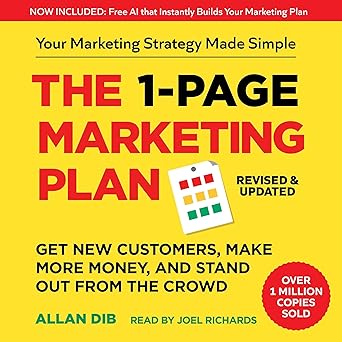
The 1-Page Marketing Plan
Key Concepts
One of the book’s most memorable concepts is “random acts of marketing.” Too many businesses invest in websites, SEO, advertising, or social media without an overall strategy connecting those efforts. Allan Dib demonstrates how every marketing activity should work together as part of a coordinated system, a philosophy that continues to shape the way we approach healthcare marketing.
Top 3 Takeaways

Author: Michael E. Gerber
The E-Myth Revisited
Key Concepts
One of the book’s best-known examples is McDonald’s, where extraordinary systems allow ordinary people to consistently deliver extraordinary results. While healthcare is far more complex, the lesson is the same: exceptional practices are built on repeatable systems, not individual heroics. It remains one of the most influential books we’ve read on building scalable organizations.
Top 3 Takeaways
Marketing & Practice Growth
Building a successful healthcare practice requires more than clinical expertise. These books provide practical frameworks for attracting the right patients, communicating your value, and creating sustainable long-term growth.
Author: Donald Miller
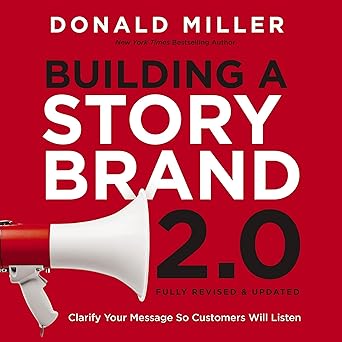
Building a StoryBrand
Key Concepts
Many businesses unintentionally make themselves the hero of their marketing. Donald Miller demonstrates that the customer should always be the hero, while the business serves as the trusted guide. This simple shift creates clearer messaging, stronger patient connections, and more effective communication.
Top 3 Takeaways
Author: Mike Michalowicz
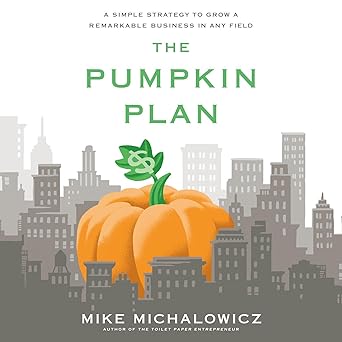
The Pumpkin Plan
Key Concepts
The book uses the example of giant pumpkin growers who remove smaller pumpkins so one can reach its full potential. The lesson for business is equally powerful: stop trying to serve everyone and focus on becoming exceptional in a specific area. We believe healthcare practices become recognized authorities by narrowing their focus and delivering extraordinary expertise.
Top 3 Takeaways
Leadership & Operations
The success of a healthcare practice depends on far more than clinical expertise. Strong leadership, clear communication, well-designed systems, and a culture of accountability allow practices to grow while consistently delivering an exceptional patient experience.
Author: Gino Wickman
Traction
Key Concepts
Traction introduces the Entrepreneurial Operating System (EOS), a practical framework for helping organizations clarify their vision, define responsibilities, improve accountability, and execute more effectively. It’s a book we frequently recommend to healthcare leaders looking to build stronger, more organized practices.
Top 3 Takeaways
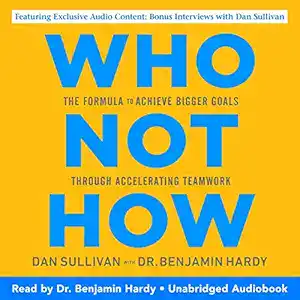
Author: Dan Sullivan & Benjamin Hardy
Who Not How
Key Concepts
Many professionals instinctively ask, “How can I do this?” This book encourages a more powerful question: “Who can help accomplish this?” Learning to rely on specialists instead of trying to master every task is an important shift for growing practices and has significantly influenced our own thinking.
Top 3 Takeaways
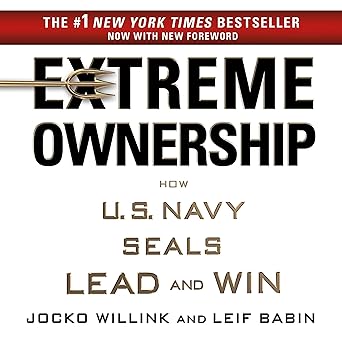
Author: Jocko Willink & Leif Babin
Extreme Ownership
Key Concepts
The central lesson of Extreme Ownership is that leaders own the outcomes of their organizations. If a team member consistently underperforms, the first question shouldn’t be “Who’s at fault?” but “What could I have done differently?” Whether it’s hiring, training, communication, or accountability, this mindset has fundamentally influenced the way we think about leadership.
Top 3 Takeaways
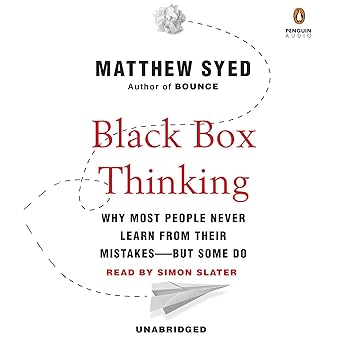
Author: Matthew Syed
Black Box Thinking
Key Concepts
Inspired by aviation’s black box, Matthew Syed demonstrates how organizations improve by honestly studying mistakes instead of hiding them. Continuous improvement requires objective evaluation and a willingness to learn, principles that are just as valuable in healthcare as they are in aviation.
Top 3 Takeaways

Author: Atul Gawande
The Checklist Manifesto
Key Concepts
Written by surgeon Atul Gawande, this book highlights the development of the World Health Organization Surgical Safety Checklist and demonstrates how simple checklists can dramatically improve consistency, communication, and patient safety. It serves as a reminder that even experts benefit from well-designed systems.
Top 3 Takeaways
Finance
Financial literacy is an essential leadership skill. Understanding your numbers allows you to make better decisions, improve profitability, and build a stronger, more sustainable practice.

Author: Karen Berman & Joe Knight
Financial Intelligence
Key Concepts
Many practice owners can confidently interpret clinical data but struggle to read their own financial statements. This book clearly explains how to understand a profit and loss statement, balance sheet, and cash flow statement without requiring an accounting background. It remains one of the best books we’ve found for developing financial confidence.
Top 3 Takeaways
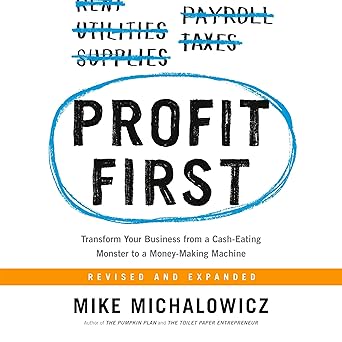
Author: Mike Michalowicz
Profit First
Key Concepts
Most businesses follow the traditional formula: Sales − Expenses = Profit. Mike Michalowicz challenges that thinking by introducing Sales − Profit = Expenses, making profit a priority instead of an afterthought. It’s a simple framework that encourages healthier cash flow, better financial discipline, and stronger long-term profitability.
Top 3 Takeaways
Communication & Presentation
Whether educating patients, presenting treatment plans, lecturing at conferences, or speaking with referral sources, the ability to communicate complex ideas clearly is one of the most valuable skills a healthcare professional can develop.
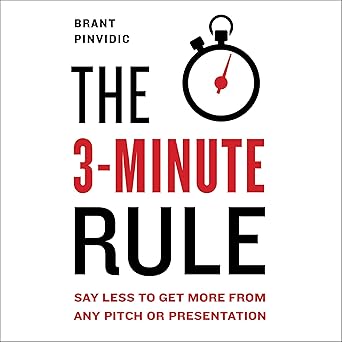
Author: Brant Pinvidic
The 3-Minute Rule
Key Concepts
Drawing on his experience pitching ideas in Hollywood, Brant Pinvidic demonstrates how to communicate complex concepts quickly and effectively. Physicians explain complicated procedures every day, and this framework provides practical techniques for improving clarity, confidence, and audience engagement.
Top 3 Takeaways
Productivity & Personal Effectiveness
Building a successful practice requires more than working harder. These books focus on improving productivity, protecting your time, and creating habits that produce consistent long-term results.
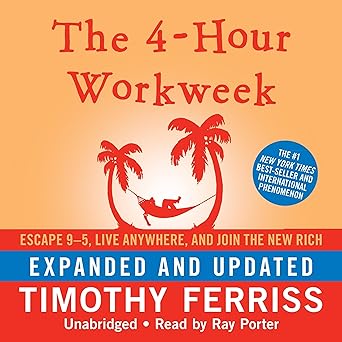
Author: Tim Ferriss
The 4-Hour Workweek
Key Concepts
Don’t let the title fool you. This book isn’t about working only four hours each week. It’s about questioning assumptions, eliminating unnecessary work, leveraging automation, and focusing on the activities that create the greatest value. While few healthcare professionals will ever work a four-hour week, its principles can dramatically improve productivity.
Top 3 Takeaways
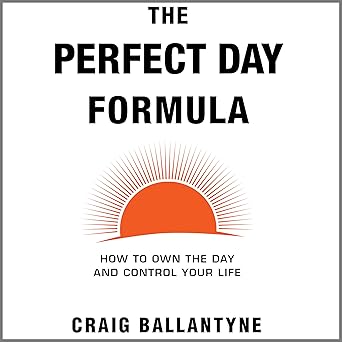
Author: Craig Ballantyne
The Perfect Day Formula
Key Concepts
Exceptional careers aren’t built through occasional bursts of motivation. They’re built through consistently productive days. Craig Ballantyne provides a practical framework for organizing your time, protecting your priorities, and developing routines that compound into meaningful long-term results.
Top 3 Takeaways
Mindset
The way we think influences every decision we make. These books challenge assumptions, broaden perspectives, and encourage the kind of thinking that leads to exceptional leadership.
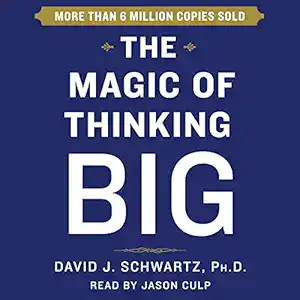
Author: David J. Schwartz
The Magic of Thinking Big
Key Concepts
One of the book’s central messages is that success is often limited more by our thinking than our abilities. Dr. Schwartz encourages readers to replace self-imposed limitations with confidence, optimism, and purposeful action. Its lessons remain remarkably relevant more than sixty years after publication.
Top 3 Takeaways

Author: T. Harv Eker
Secrets of the Millionaire Mind
Key Concepts
This book explores how our beliefs about money influence financial decisions and long-term success. While readers may not agree with every concept, it encourages business owners to examine their financial habits and develop a healthier relationship with wealth and investment.
Top 3 Takeaways
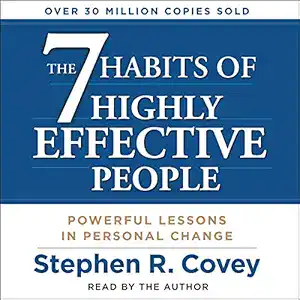
Author: Stephen R. Covey
The 7 Habits of Highly Effective People
Key Concepts
Stephen Covey’s inside-out approach teaches that lasting success begins by developing character before pursuing external achievement. Rather than focusing on shortcuts, the book emphasizes timeless principles including responsibility, integrity, discipline, and continuous improvement. It remains one of the defining leadership books of the last several decades.
Top 3 Takeaways
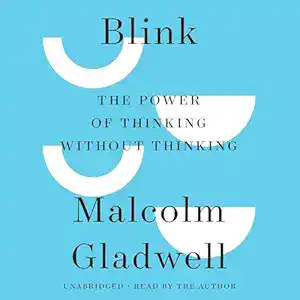
Author: Malcolm Gladwell
Blink
Key Concepts
Malcolm Gladwell introduces the concept of thin-slicing, our ability to make remarkably accurate judgments based on limited information. He also explores when those instincts can be misleading. The result is a fascinating look at intuition, decision-making, and the importance of understanding how we think.
Top 3 Takeaways
Perspective & Well-Being
Building an exceptional career also requires perspective. These books encourage resilience, presence, and intentional living while helping leaders remain grounded through the inevitable challenges of life and business.

Author: Michael A. Singer
The Untethered Soul
Key Concepts
This book teaches a simple but profound idea: you are not your thoughts. By learning to observe the constant internal dialogue instead of being controlled by it, readers gain greater perspective, emotional resilience, and peace of mind. It’s a book we return to often.
Top 3 Takeaways
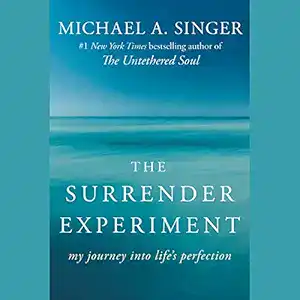
Author: Michael A. Singer
The Surrender Experiment
Key Concepts
Rather than trying to control every outcome, Michael Singer shares how accepting life’s unexpected opportunities transformed both his personal and professional journey. Whether or not readers embrace every philosophy presented, it offers a refreshing perspective on trust, adaptability, and personal growth.
Top 3 Takeaways
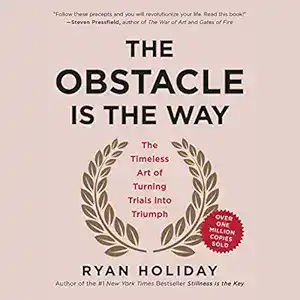
Author: Ryan Holiday
The Obstacle Is the Way
Key Concepts
Drawing on Stoic philosophy, Ryan Holiday demonstrates that obstacles are often the experiences that develop resilience, wisdom, and character. Rather than avoiding adversity, successful leaders learn to use challenges as opportunities for growth.
Top 3 Takeaways

Author: Ryan Holiday
Stillness Is the Key
Key Concepts
In a world filled with constant distraction, Ryan Holiday argues that clarity, focus, and sound decision-making begin with stillness. For healthcare leaders balancing demanding schedules and countless responsibilities, it’s a valuable reminder that slowing down often leads to better decisions.